

Building an aircraft carrier isn't exactly a desk job.
HII is America's largest shipbuilder and a global defense company with more than 45,000 employees, and for many of them, the job is hands-on, highly specialized, and continuous.
Shipbuilding operates 24 hours a day, 7 days a week. Employees may spend their shifts welding, machining, rigging, installing electrical systems, or working aboard enormous vessels where simply getting back to the parking lot can take considerable time.
That can make scheduling something as routine as a doctor's appointment surprisingly difficult.
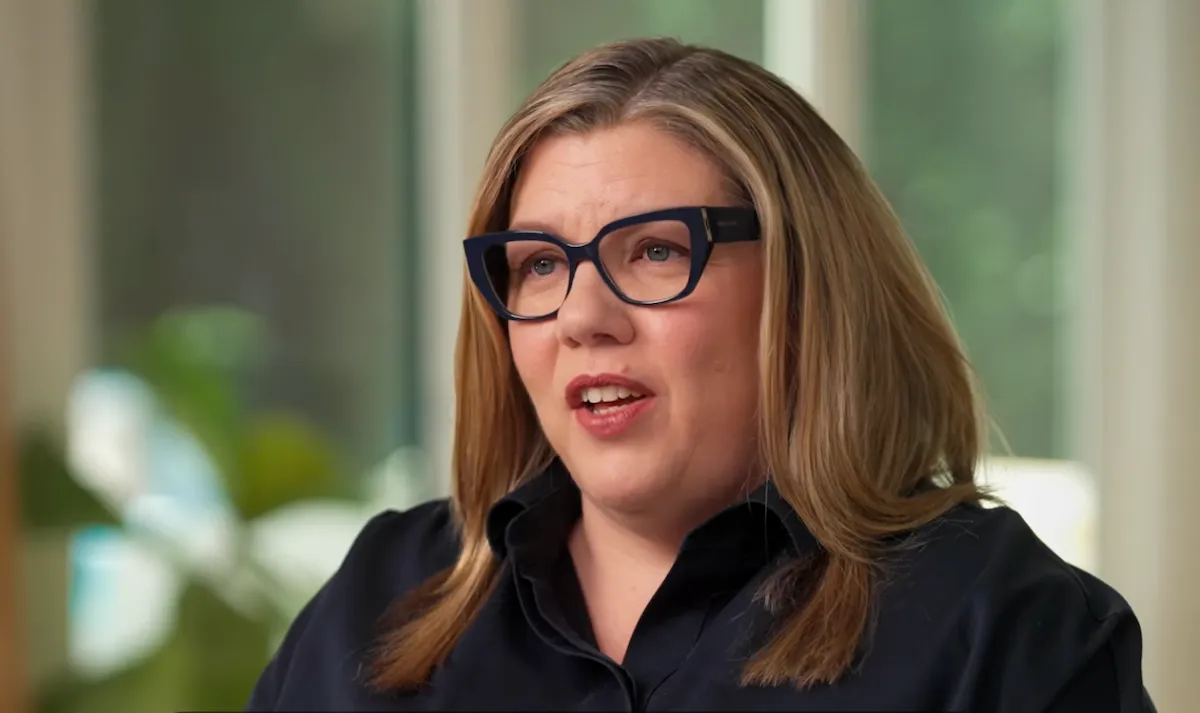
"You can't just get up and leave the ship," says Karen Velkey, HII's Vice President of Compensation and Benefits. "Sometimes the ship you're working on might be half a mile from where you parked your car."
Leaving for an appointment and returning to the job could mean missing 2 hours of a workday, she said. For employees working nights, rotating schedules, or demanding shifts, consistently finding time for preventive care can become even harder.
That was one reason HII wanted a different approach to cardiovascular health.
"If you just look at your claims, your claims tell you what you spent, but they tell you after you spent it," Karen says. "And that's too late."
Bringing heart health into employees' everyday lives
Karen oversees health and other benefits for nearly 45,000 employees and approximately 70,000 total participants.
Many HII employees don't just work there for a few years. Some are 4th- and 5th-generation shipbuilders, and employees who reach 40 years with the company earn the distinction of master shipbuilder.
That long relationship changes how Karen thinks about benefits.
"They are our community," she said. "I want them to be healthy when they work for us, but I also want them to go home and teach their families how to be healthy."
Cardiovascular care had consistently ranked among HII's top healthcare cost categories, alongside musculoskeletal conditions and diabetes. HII wanted a way to reach cardiovascular risk earlier, before an expensive (and potentially preventable) medical event appeared in the claims data.
Hello Heart stood out in part because employees could use it on their own time.
Through the Hello Heart app and connected blood pressure monitor, members can track their heart health from home, see their numbers over time, and receive personalized, AI-driven coaching designed to help them better understand those numbers.
"The thing that really stood out to us about Hello Heart is the ease of use," Karen says. "It puts a lot of control in people's hands."
For a workforce of engineers, designers, and builders, that visibility has particular appeal.
"We're a company of engineers and builders. We really like precision," Karen says. "To put it in the numbers is really important for this population."
Engagement HII rarely sees from a benefits program
HII launched Hello Heart on July 1, 2024.
Karen describes it as "hands down the easiest implementation we have ever had."
The response from employees also surprised her team. Approximately 30% of eligible HII employees and family members have enrolled, representing about 5,500 participants.
"That is unheard of in our vendor partner relationships," Karen says.
She believes much of that engagement comes from something no benefits campaign can manufacture: coworkers talking to coworkers.
"When your foreman tells you, or the guy you've worked with for 35 years tells you, you're going to go try it," she said.
That matters in a population where high blood pressure can otherwise go unnoticed. Someone can feel perfectly fine while their numbers are moving in the wrong direction. Giving employees an easy way to see those numbers can make an invisible risk much harder to ignore.
Better heart health and a 3:1 ROI
HII has also seen measurable improvements among employees using Hello Heart.
Among HII participants with Stage 2 hypertension, 81% have improved their blood pressure, according to HII, and 71% have moved to a lower blood pressure stage.
One employee Karen heard about personally saw her systolic blood pressure decline by 33 mmHg after beginning to use Hello Heart and making other changes in her life.
And the financial results from deploying Hello Heart have been just as meaningful.
"With Hello Heart, our ROI is 3:1," Karen says. "That translates to just a little over $1,000 [in savings] per member per year, which is a result we don't see typically with vendor partners."
Cardiovascular care, previously HII's No. 2 healthcare cost category, has since moved to No. 3, according to Karen.
For her, those clinical and financial outcomes are really the same story: investing earlier, before cardiovascular risk turns into an expensive health crisis.
"The best dollar you ever spend in healthcare is a preventive dollar," she said.
Helping employees leave healthier than they arrived
After 25 years at HII, Karen is preparing to retire and take on the most important job yet—becomign a "full-time grandma."
Looking back on her time at HII, she feels her impact as a benefits leader has gone far beyond ROI or utilization.
Safety is HII's top priority, she explains, and employees regularly hear that the company wants them to leave work safer than when they arrived.
Karen thinks about health the same way.
"I really want everybody to go home every day and, at the end of their careers, feeling a little bit healthier than when they came to work for us."
For an organization whose employees may spend decades building the ships and technologies used to serve the country, that's a very meaningful definition of return on investment. ❤️
👉 Learn more about partnering with Hello Heart to serve your employees’ unique heart health needs.