


The bottom line:
Staying consistent with blood pressure medication can be difficult, even when you know it matters. Side effects, busy schedules, uncertainty about whether treatment is working, and simple forgetfulness can all get in the way. Understanding what makes your routine harder is often the first step toward making it more manageable.
Why blood pressure medication can be hard to stick with
Blood pressure medication is often prescribed for something you cannot feel.
High blood pressure usually has no obvious symptoms, so taking medication every day may not come with the immediate feedback people get from treating pain, allergies, or an infection. You may feel exactly the same whether you took your medication that morning or forgot it.
That can make consistency difficult over months or years, especially when life changes or side effects get in the way.
Medication adherence is a widespread challenge. In the United States, non-adherence has been associated with an estimated 125,000 deaths and up to 10% of hospitalizations each year.
The reasons vary from person to person, but a few come up often.
Common reasons people miss blood pressure medication
Side effects
Some blood pressure medications can cause side effects such as dizziness, fatigue, cough, or other symptoms that make them harder to take consistently.
If a medication is bothering you, you should talk with your doctor or pharmacist so that they can adjust your treatment or discuss another option.
Feeling fine or questioning whether treatment is working
Because high blood pressure often causes no symptoms, it can be easy to wonder whether medication is really necessary, or whether treatment is working between doctor visits.
How you feel does not always reflect what your blood pressure is doing. Home blood pressure readings can help show what is happening over time, giving you and your care team a clearer picture and concrete information to discuss. The important thing is to look at trends rather than drawing conclusions from a single reading.
A routine that no longer works
Medication habits often depend on everyday routines.
A dose that was easy to remember before work may become harder after a schedule change. Travel, caregiving, a new job, or simply a busy week can disrupt habits that previously felt automatic.
When your schedule changes, it can help to think deliberately about where your medication will fit into the new routine.
Forgetting
Sometimes the explanation is simply that you forgot.
A daily medication can be easy to miss when it is competing with work, family, appointments, messages, and everything else happening in your day. Reminders, a pill organizer, or pairing medication with an existing routine may make it easier to stay consistent.
What can make medication easier to manage
There is no single strategy that works for everyone. The most useful approach is usually the one that fits naturally into your life.
Connect medication to an existing routine. Taking medication around something you already do every day, such as brushing your teeth or eating breakfast, can make it easier to remember.
Keep medication somewhere practical. Make sure it is stored safely, but also somewhere that works with your routine rather than against it.
Use reminders if they help. Phone alerts, app reminders, pill boxes, or other cues can take some of the burden off memory.
Pay attention to side effects. If something feels different after starting or changing medication, write it down and bring it to your doctor or pharmacist.
Track your blood pressure. Looking at your readings over time can make conversations with your care team more specific and useful.
Plan ahead for disruptions. Travel, shift changes, and other schedule changes are easier to manage when you decide in advance how medication will fit into the new routine.
How Hello Heart supports medication management with AI
Hello Heart brings blood pressure tracking and medication support together in one AI-driven cardiovascular platform.
Members can track their blood pressure over time, which helps provide context around individual readings and gives them information they can share with their care team.
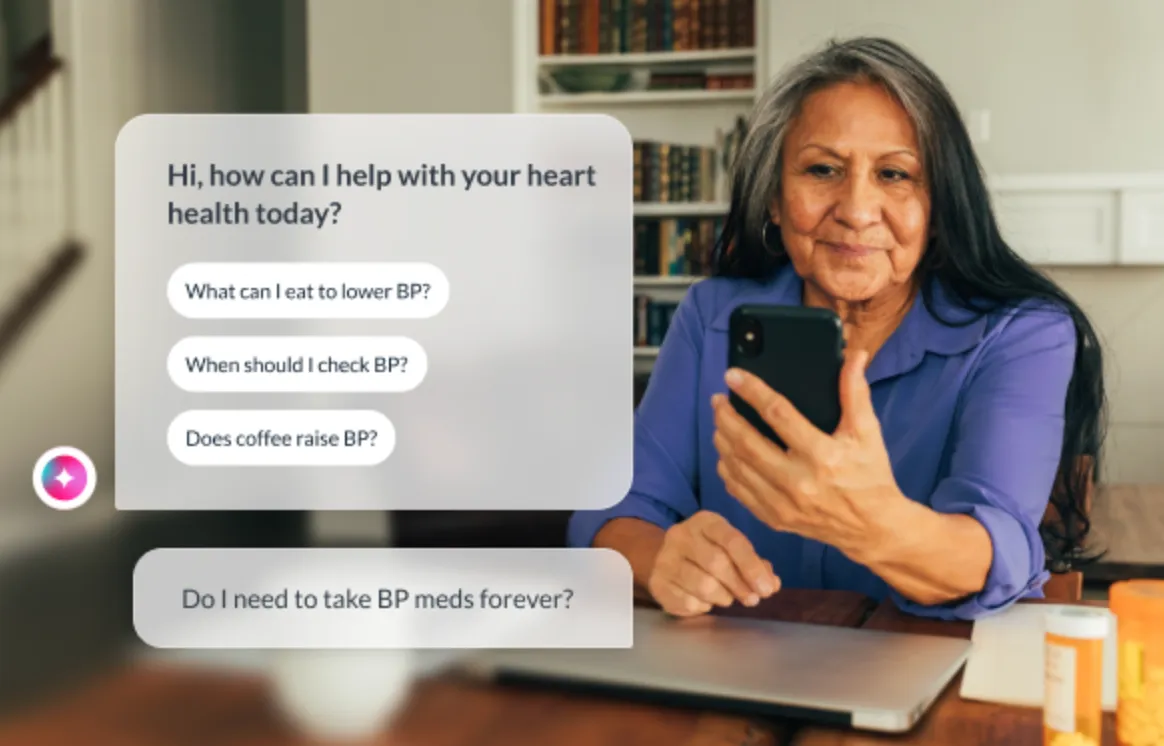
Hello Meds is designed to make medication management easier. It combines Nia, Hello Heart's AI Heart Health Assistant, the connected Hello Heart Pill Box, and pharmacist assistant.
Nia provides evidence-based guidance within clinician-defined guardrails and can help members better understand prescriptions, side effects, drug interactions, and common heart health questions. However, it is worth clarifying that Nia does not diagnose conditions, prescribe medications, or change a member's treatment plan.
The connected Hello Heart Pill Box provides another way for members to organize and keep track of medications as part of their daily routine.
For members who may benefit from additional support, pharmacist assistants can review relevant information, identify potential therapy gaps, and provide recommendations for discussion with the member's physician.
Together, these tools give members more ways to stay organized, understand their medications, and bring better information into conversations with their care team.
Changing behavior for the better
The most useful response is not to ignore those barriers. It is to figure out what is making medication difficult and find a routine and support system that works better for you.
If you are having trouble taking a medication as prescribed, talk with your doctor or pharmacist. Small adjustments can make a routine much easier to maintain.
This content is for educational purposes only. It is not a substitute for professional medical advice, diagnosis, or treatment. Always consult your doctor about your individual care and never delay seeking medical advice.
FAQs
How can AI help with blood pressure medication adherence?
AI can make medication information easier to understand and provide personalized support around common questions about prescriptions, side effects, and drug interactions. Hello Heart combines Nia, its AI Heart Health Assistant, with blood pressure tracking and medication support through Hello Meds.
What tools can help me remember to take my blood pressure medication?
Medication reminders, pill organizers, and connected medication tools can make it easier to keep track of daily medications. Hello Meds includes the connected Hello Heart Pill Box alongside digital medication support within the Hello Heart app.
Can tracking my blood pressure help me manage my medication routine?
Tracking blood pressure over time can help you identify trends and provide useful information to discuss with your doctor or pharmacist. It is important not to change or stop medication based on your readings without talking with your care team.
Can an AI health assistant answer questions about blood pressure medication?
AI health assistants can provide educational information about medications, side effects, and drug interactions, but they should not replace a doctor or pharmacist. Nia provides evidence-based guidance within clinician-defined guardrails and does not diagnose conditions, prescribe medications, or change a member's treatment plan.
How does Hello Heart support blood pressure medication management?
Hello Heart combines blood pressure tracking with medication support through Hello Meds. Members can access Nia, the connected Hello Heart Pill Box, and pharmacist-led medication reviews within the broader Hello Heart experience.