


Every labor fund believes their population is different. And they're right.
The work, schedule, and culture can vary widely across the different trades and unions, making each group’s experience unique.
Traditional health programs don’t always fit this population. If it requires an appointment, a call, or extra effort at the end of a long shift, that’s probably not going to happen.
But across every group I’ve worked with, the pattern is the same. When a program is simple, personalized, and fits into a member’s actual day, they use it.
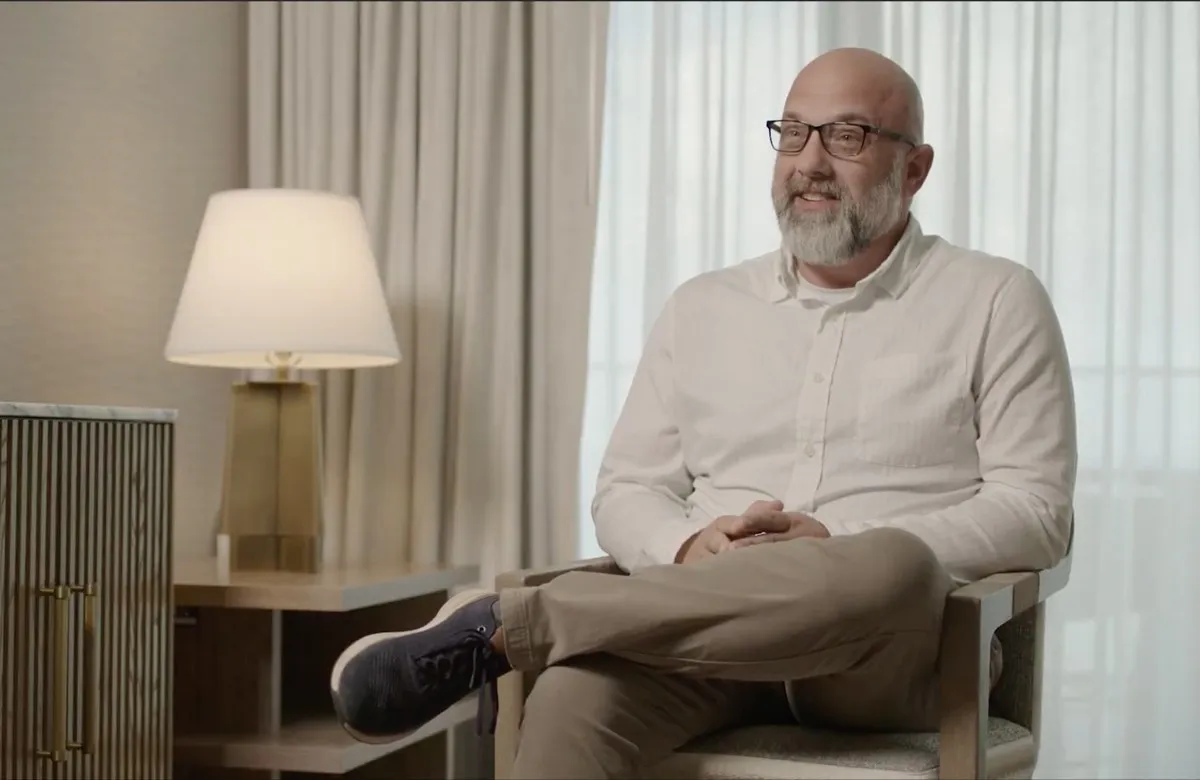
Jeremy Jenkins sees this every day. He’s the business manager of LIUNA Local 189 in Lexington, Kentucky, part of a broader district council spanning multiple locals across the region. His local represents about 420 members across 35 counties.
The work, the people, and what's at stake
"We do a lot of the stuff the other crafts don’t want to do," Jeremy says. "Like digging the dirt, helping set the beams, and pouring the concrete. We are the first ones in and the last ones out, and everything in between is what we do."
That kind of sustained physical labor puts real strain on the body. Members are constantly under stress, not only their muscles but their hearts, too. And the reality of shift work and long hours means routine medical care is often the first thing to slide.
Many members only get their blood pressure checked once a year at an annual physical. That leaves long stretches of time when risk can go undetected.
For Jeremy, heart health is personal. His grandfather, father, and brother all passed away from heart conditions before the age of 50.
Jeremy is 50 now.
"When the ability to implement this program was presented, I jumped on it," he says. "It’s something that’s important to me and really should be important to everybody."
What made it work: simplicity and daily routine
I’ve worked with labor funds across the country, and the biggest question is always, “will our members actually use this?” Programs need to be engaging and personalized, but even more importantly, they need to be easy to start.
Jeremy describes how simple it is to set up Hello Heart: "You sign up, you get the monitor, download the app, turn the machine on. You hold the button for a couple seconds and it automatically links up. You're ready to go."
That simplicity is what made it part of his routine.
Jeremy hasn’t missed a single dose of his blood pressure medication for the past three years. He’s been using the daily medication reminders in the Hello Heart app, and at the time of his interview, his streak was at 989 consecutive days.
That number shows what a simple reminder can do. When medication tracking is easy—and even a little rewarding—people stick with it.
Over time, that consistency shows up in outcomes. Jeremy has been able to reduce his medication from 150mg to 50mg.
Hello Heart has supported him in managing his blood pressure through food choices and stress.
"There's all kinds of stuff in the app that helps," he says. "Not only with the mental aspect of it, but dietary as well."
Hello Heart offers small, realistic recommendations personalized to the member’s current lifestyle—like adding a few minutes of movement into the day or a fruit or vegetable into a meal.
Those micro-changes are easier to stick with, and they compound over time.
The proof trustees care about
Across the Kentucky Laborers’ district council—which includes six locals—more than 350 members have signed up for Hello Heart, and 78% of those members have reduced their blood pressure. These are fund-reported program outcomes across a plan covering roughly 2,000 active members.
This level of engagement often starts with one person. Someone uses the program, sees results, and tells a colleague. A leader who uses the program is the best possible marketing.
Jeremy was one of the first members to start using Hello Heart in his local. His willingness to talk openly about his experience gave others the confidence to try it.
The rollout itself was simple. Members received a letter with a QR code, scanned it, and signed up. Then, Hello Heart monitors were shipped to their homes.
For the Fund, the lift was minimal, and that matters just as much as engagement. Fund administrators are balancing a lot of priorities. A program that creates more work is hard to justify.
What trustees can take from this
Adoption comes from fit. When a benefit respects the jobsite, the schedule, and the daily rhythm of the member, people use it. Hello Heart works because it doesn't ask members to change their routine. It fits inside it.
Consistency comes from simplicity. No extra steps, no new burden. A daily reminder, an at-home reading, and practical guidance that members can act on. That's what 989 days of adherence looks like in practice.
Story plus stats travel. When a leader can stand in front of trustees and say "I use this myself, and here's what it's done for our members," that carries more weight than anything else.
We work hard to protect your member’s hearts. See what this looks like for your fund.
Results reflect fund-reported program outcomes for LIUNA Local 189's participating members. Results may vary by fund population and engagement level. Due to study design, causal conclusions cannot be made.