Health System Outcomes Brief
Protect Your Employees—and Your Margins—with Prevention That Works
Every health system faces the same paradox: the people saving lives are often at highest risk for heart disease and burnout.
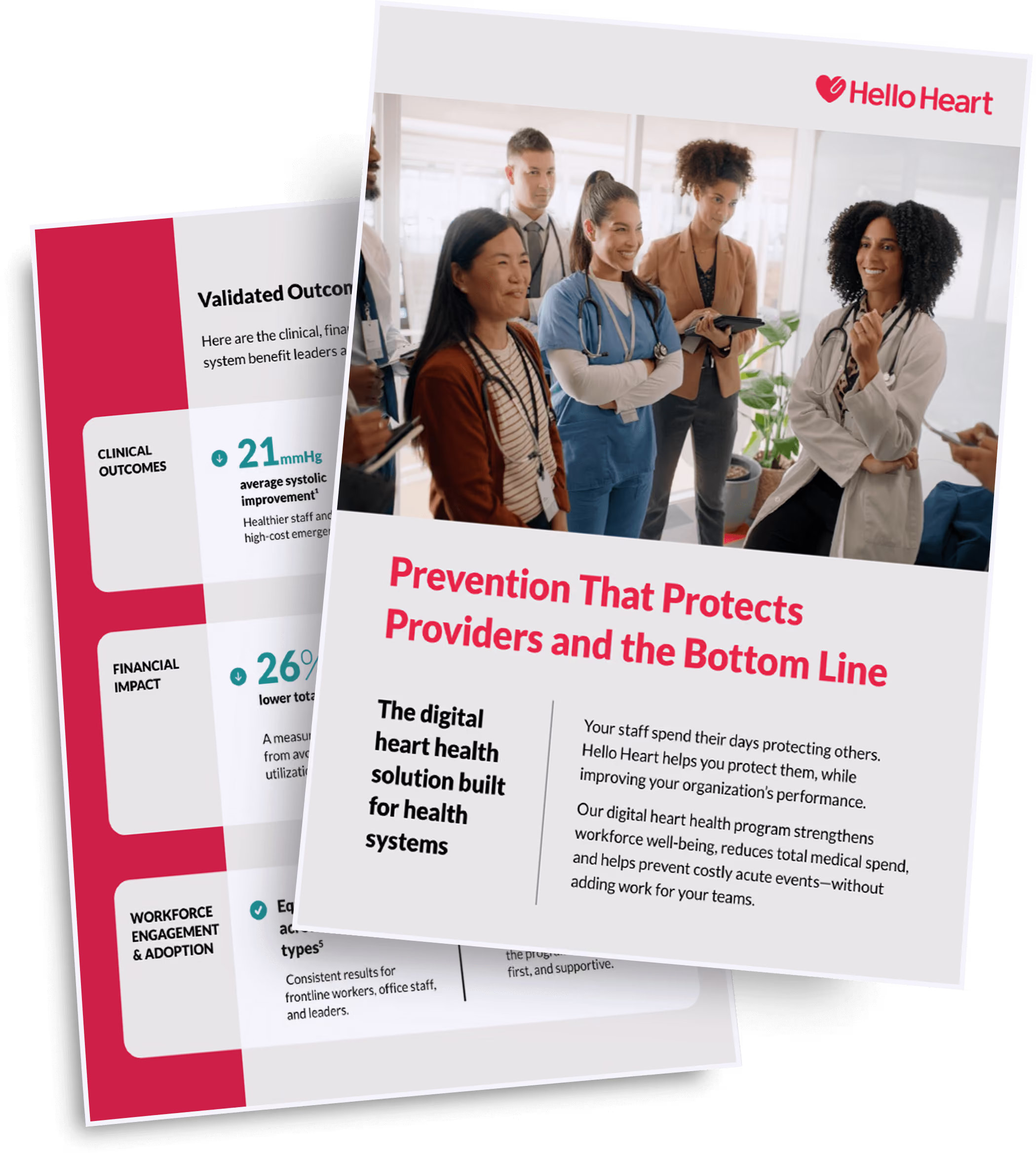
See how leading systems are improving employee health, engagement, and financial performance with prevention that’s proven to work.
See how leading systems are improving employee health, engagement, and financial performance with prevention that’s proven to work.


Why It Happens
Your workforce deserves the same level of care they give to others.
Leading health systems partner with Hello Heart to:
- Engage employees with a digital heart health program proven to drive sustained use
- Lower preventable ER visits and readmissions across staff populations
- Go beyond RPM with prevention that stops crises early
- Build clinical confidence with peer-reviewed, cardiology-backed results
- Show real impact with transparent outcomes and reporting
We make prevention simple—for your people, your operations, and your bottom line.
What You’ll Find Inside
The Health System Outcomes Brief gives you:
- Clinical and cost results to support budget and benefits decisions
- Peer benchmarks to show how your workforce compares
- Implementation tips for HR, finance, and cardiology teams
- Talking points to help you win executive and clinical support